
How Smart Scheduling and the Best EV Charger for Home Reduce Cost
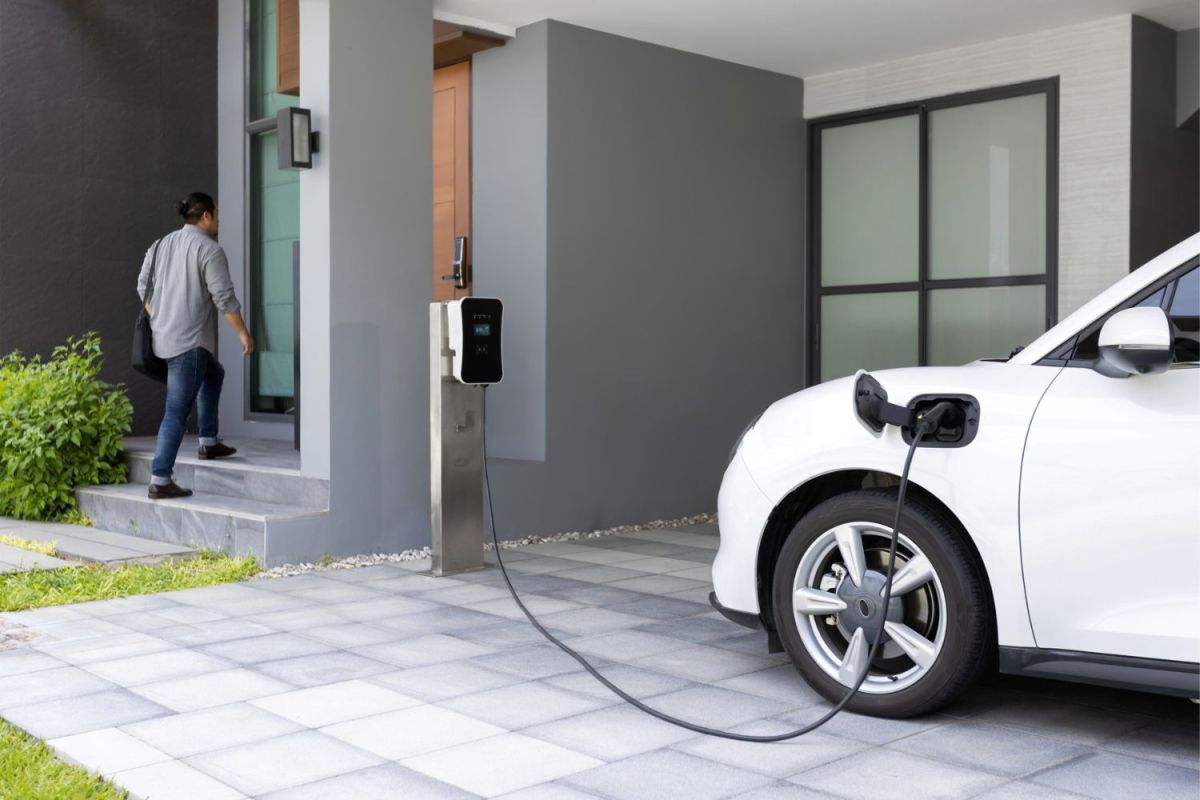
As electric vehicle (EV) sales continue to break records, surpassing 17 million car units globally in 2024 and projected to exceed 22 million by the end of 2026; the focus for owners has shifted from vehicle performance to energy management. For most, the garage has become the new “fueling station.”
However, as household electricity demand rises, the financial success of making the switch depends on more than just the car itself. To maximize ROI, owners are increasingly looking for the best EV charger for home use; one that prioritizes intelligence over raw power.
The Economics of the Modern Home EV Charger
While public charging infrastructure is expanding, it remains significantly more expensive than residential rates. According to the International Energy Agency (IEA), approximately 80% of EV charging in mature markets occurs at home. In India, while home charging adoption sits at about 55% due to high-rise challenges, it remains the most cost-effective method for individual owners.
Why You Should Install EV Charger at Home with Smart Scheduling
When you decide to install EV charger at home, the primary goal is often reliability. However, smart scheduling provides a layer of “predictive management” that basic units lack. These systems do not just turn on and off; they communicate with the grid and the vehicle to optimize the flow of electricity.
- Load Balancing: Smart chargers monitor total household energy consumption. If you are running a heavy appliance like an AC or water heater, the charger can automatically throttle its speed to stay within your home’s power limit, avoiding costly demand charges or tripped breakers.
- Grid Integration: Recent reports from McKinsey indicates that smart scheduling can improve grid stability by reducing peak demand spikes. For the homeowner, this often translates into rebates or incentives from utility companies eager to encourage off-peak usage.
- Predictive Savings: High-quality chargers now offer built-in analytics. Research suggests that predictive charging management can reduce overall operational energy costs by up to 35% by identifying the most efficient charging cycles for your specific battery type.
Conclusion
The transition to electric mobility is a marathon, not a sprint. While the initial choice to install EV charger at home is about convenience, the long-term value is found in the software. As energy markets become more dynamic in 2026, the ability to automate your charging behavior will be the most effective way to ensure your sustainable lifestyle remains an economically sound one.