
Why Every Kid Needs a Helmet: Safety First
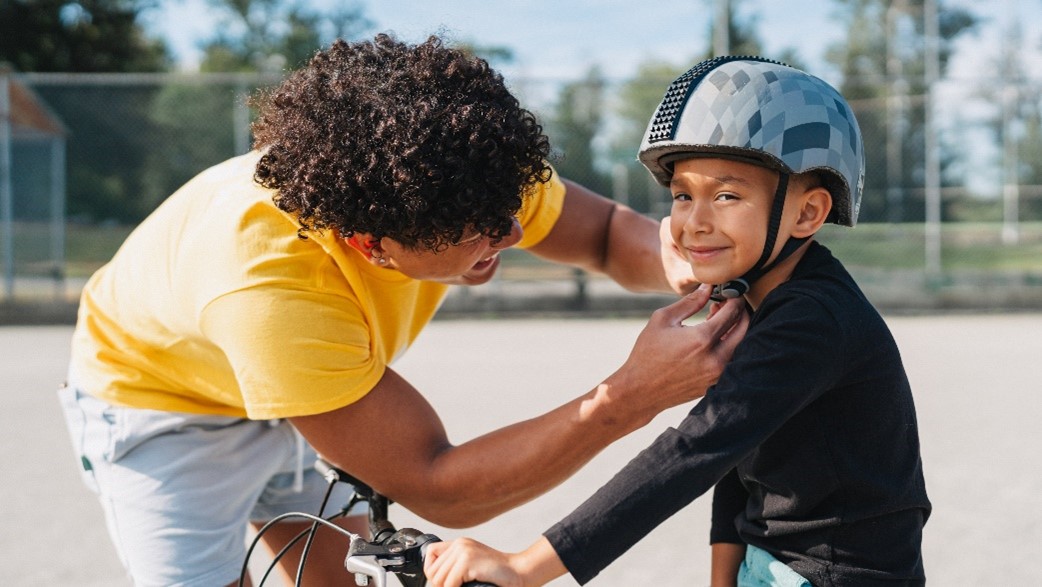
Childhood is all about exploring new adventures, whether it’s riding a bike, roller skating, or gliding on a scooter. With these fun activities comes the responsibility of ensuring safety. A helmet for kids is one of the most effective ways to protect kids from serious head injuries. Let’s delve into why helmets are crucial and how to pick the perfect one for your child.
The Importance of Wearing Helmets
Helmets are not just accessories; they’re life-saving devices. Head injuries are among the most common risks associated with outdoor activities, and they can have long-term consequences. A properly fitted helmet reduces the severity of injuries and can even prevent fatalities.
For children, the benefits extend beyond physical safety. Helmets serve as a visual reminder of the importance of taking precautions. Teaching kids to wear helmets instills a sense of responsibility and encourages them to adopt safety practices in all aspects of life.
Features to Look For in a Helmet
When shopping for a helmet, prioritize these features:
- Certification: Ensure the helmet meets established safety standards, such as CPSC or ASTM certifications.
- Adjustability: Look for helmets with adjustable straps and dials to accommodate growth and ensure a secure fit.
- Ventilation: Multiple air vents keep kids cool during active play, making helmets more comfortable to wear.
- Weight: Lightweight helmets are less cumbersome and more appealing to children.
- Design: Fun colors and patterns can make wearing a helmet more enjoyable for kids.
Encouraging Helmet Use
Getting kids to wear helmets consistently can be challenging, but there are ways to make it easier:
- Involve Them in the Choice: Allowing kids to pick their own helmet increases their sense of ownership and excitement.
- Make It Routine: Reinforce the habit by insisting on helmet use every time they engage in outdoor activities.
- Lead by Example: Wear a helmet yourself during similar activities to model safe behavior.
- Use Positive Reinforcement: Reward consistent helmet use with small incentives or praise.
Proper Fit: A Key to Safety
A helmet that doesn’t fit properly can do more harm than good. Follow these steps to ensure the best fit:
- Measure your child’s head circumference and consult size charts.
- Adjust the straps so the helmet sits level and snug, without wobbling.
- Ensure the helmet covers the forehead and forms a “V” shape around the ears.
- Perform a shake test—the helmet should remain secure even when the head moves.
Caring for Your Child’s Helmet
Helmets require regular maintenance to remain effective:
- Cleaning: Wipe down the helmet with a damp cloth and mild detergent.
- Inspection: Check for wear and tear, including cracks or frayed straps.
- Replacement: Helmets should be replaced after a significant impact or every few years, even if no damage is visible.
Conclusion
A helmet is an indispensable safety tool for kids. By selecting a helmet that meets safety standards, fits well, and appeals to your child, you’re laying the foundation for safe and enjoyable adventures. Equip your child with a helmet and let them explore the world with confidence and security.